 O
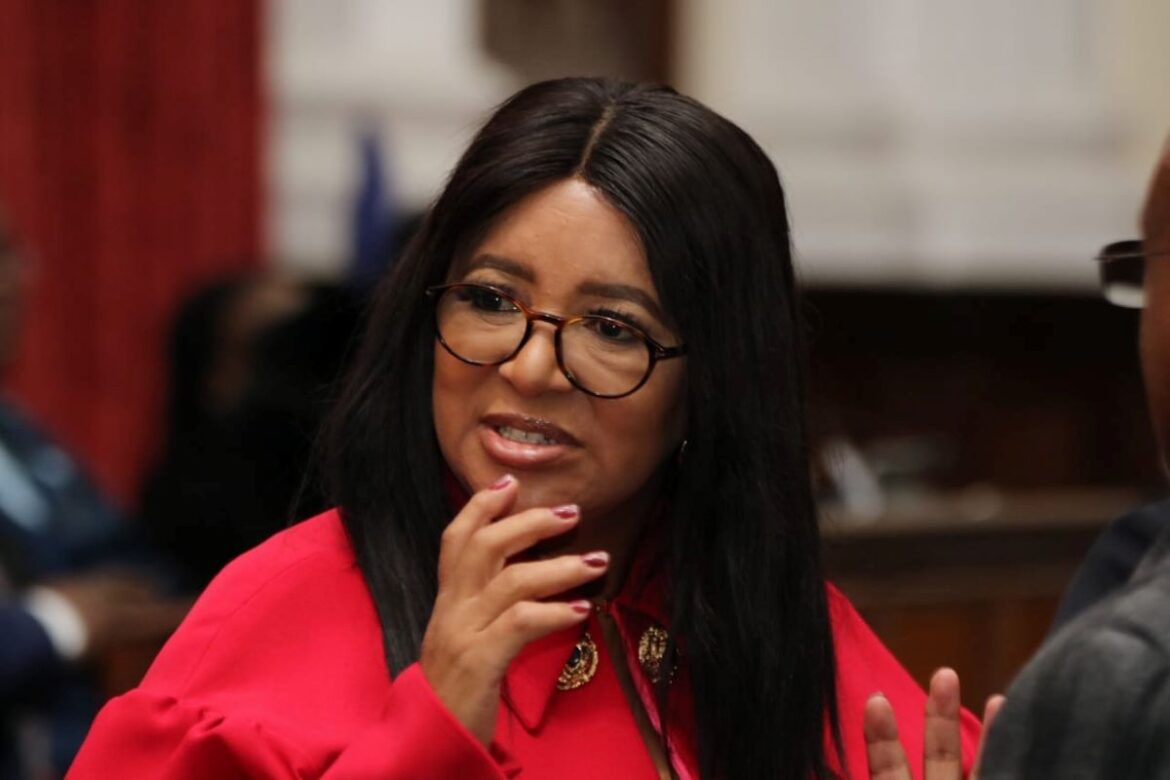
On March 8, 2025, as the world marked International Women's Day, Free State Premier MaQueen Letsoha-Mathae shared a compelling reflection on the progress women have made and the ongoing challenges they continue to face.
She paid tribute to the courageous women of 1956 who marched against apartheid's oppressive pass laws, while also highlighting the persistent struggles of poverty, unemployment, and inequality that still disproportionately affect women in South Africa. Additionally, she addressed the crisis of gender-based violence, calling it a "second pandemic" that requires urgent and collective action.
Premier Letsoha-Mathae began by acknowledging the resilience of the women who, despite great personal risk, took a stand against injustice by marching to Pretoria.
"These women stood strong in the face of adversity. Imbokodo!" she wrote, using the Zulu word for "rock" to symbolize their strength.
The historic march, which saw 20,000 women of diverse backgrounds unite in defiance, was a turning point in South Africa’s fight for freedom. It demonstrated the power of collective action in confronting oppression.
However, she noted that while progress has been made, the journey toward true gender equality is far from over.
Despite nearly three decades of democracy, women remain the most affected by economic hardship.
South Africa's poverty levels remain critically high, with 62.6% of the population living below the upper-middle-income poverty line. Women, especially those in rural areas, bear the brunt of this reality. Many are single mothers, informal workers, or caregivers with limited access to economic opportunities.
"It is unacceptable that women in our country continue to be the most affected by poverty, unemployment, and inequality," she wrote.
South Africa's unemployment rate remains one of the highest globally, standing at 31.9% by the end of 2024. The situation is even worse for young women, with youth unemployment (ages 15-24) reaching 44.6%.
Barriers such as limited access to education, skills training, and opportunities in traditionally male-dominated industries further hinder women's participation in the workforce.
South Africa remains one of the most unequal societies in the world, with a Gini coefficient of 61.8, reflecting stark income disparities.
Women continue to earn less than men for the same work, while leadership roles in business and politics remain overwhelmingly male-dominated. Access to land, financial resources, and economic advancement opportunities also remain out of reach for many women.
"We have a long way to go, but there is hope. Beyond the dark clouds, a ray of sunshine is visible," the Premier noted.
Premier Letsoha-Mathae echoed President Cyril Ramaphosa's statement that gender-based violence (GBV) has become South Africa's "second pandemic."
With one of the highest femicide rates in the world, South Africa sees a woman killed every four hours, according to police reports.
"It is a world soaked in the blood of thousands of defenseless women who have fallen victim to violent crimes," she stated.
She called on government, civil society, and individuals to take a stand, emphasizing that creating a safer society for women is a shared responsibility.
The Premier highlighted key legislative measures aimed at addressing gender inequality and improving women's rights.
The National Health Insurance (NHI) Bill aims to provide universal healthcare, ensuring that women-especially those in rural and poor communities-have access to medical services.
The Basic Education Laws Amendment Act (BELA Act) aims to strengthen access to quality education, ensuring young girls receive the necessary foundation for economic empowerment.
The Expropriation Bill seeks to address land inequality, potentially opening doors for women in agriculture and entrepreneurship.
Premier Letsoha-Mathae also pointed to the green economy as a promising avenue for job creation and economic inclusion for women.
She highlighted the work of entrepreneur Thandisile Fatyela, who leads sustainability projects while offering skills training to women and young people.
"With dedication and effort, we can transform South Africa into a place of safety and opportunity for women," she wrote.
In her closing remarks, the Premier urged South Africans to actively fight for gender equality.
She condemned the patriarchal attitudes that continue to oppress women, stressing that these mindsets must be challenged across all levels of society.
"We owe it to ourselves to continue the struggle for the full emancipation of women," she declared, urging everyone to play a role in building a just and equal society.
"We will reach our destination."
The 2025 International Women's Day theme, "For ALL Women and Girls: Rights. Equality. Empowerment.", emphasized the importance of ensuring gender equality efforts include women of all backgrounds, regardless of socio-economic status or race.
"This historic day is a celebration of the progress women have made in shaping society," the Premier wrote.
Premier MaQueen Letsoha-Mathae's reflections on International Women's Day 2025 served as both a tribute to the past and a call to action for the future.
As South Africa continues its journey toward gender equality, tackling poverty, unemployment, and inequality remains essential.